
Most ceramic coating conversations start and end with the exterior. The paint, the clear coat, the hood. That makes sense because exterior paint is the most visible thing on a vehicle and the most expensive to repair.
But the interior takes just as much punishment. UV rays fade leather and crack dashboards. Coffee spills soak into fabric seats before you can react. Dust bonds to plastic trim and door panels. On a luxury vehicle, the cabin is often the most refined thing about it, and without protection, it shows its age faster than the paint ever will.
Interior ceramic coating changes that equation. Applied professionally to leather, vinyl, fabric, plastic, and trim surfaces, it creates a hydrophobic, UV-blocking barrier that protects every surface you touch, sit on, and look at every time you get in the car.
What Is Car Interior Ceramic Coating?
Interior ceramic coating is a liquid polymer that chemically bonds to interior surfaces at a microscopic level. Unlike traditional conditioners, dressings, or fabric sprays that sit loosely on top of a surface and wear off quickly, a properly applied ceramic coating forms a durable protective layer that stays bonded to the material through regular use and cleaning.
The result is a surface that repels liquids, resists UV fading, blocks contaminants from bonding, and stays cleaner with significantly less effort. It doesn’t change the look or feel of the material. Leather stays soft. Fabric stays natural. Plastic stays matte. The coating is transparent and adds no artificial shine or residue.

What Surfaces Does Interior Ceramic Coating Protect?
One of the most practical aspects of interior coating is how broadly it applies across different materials in the same cabin.
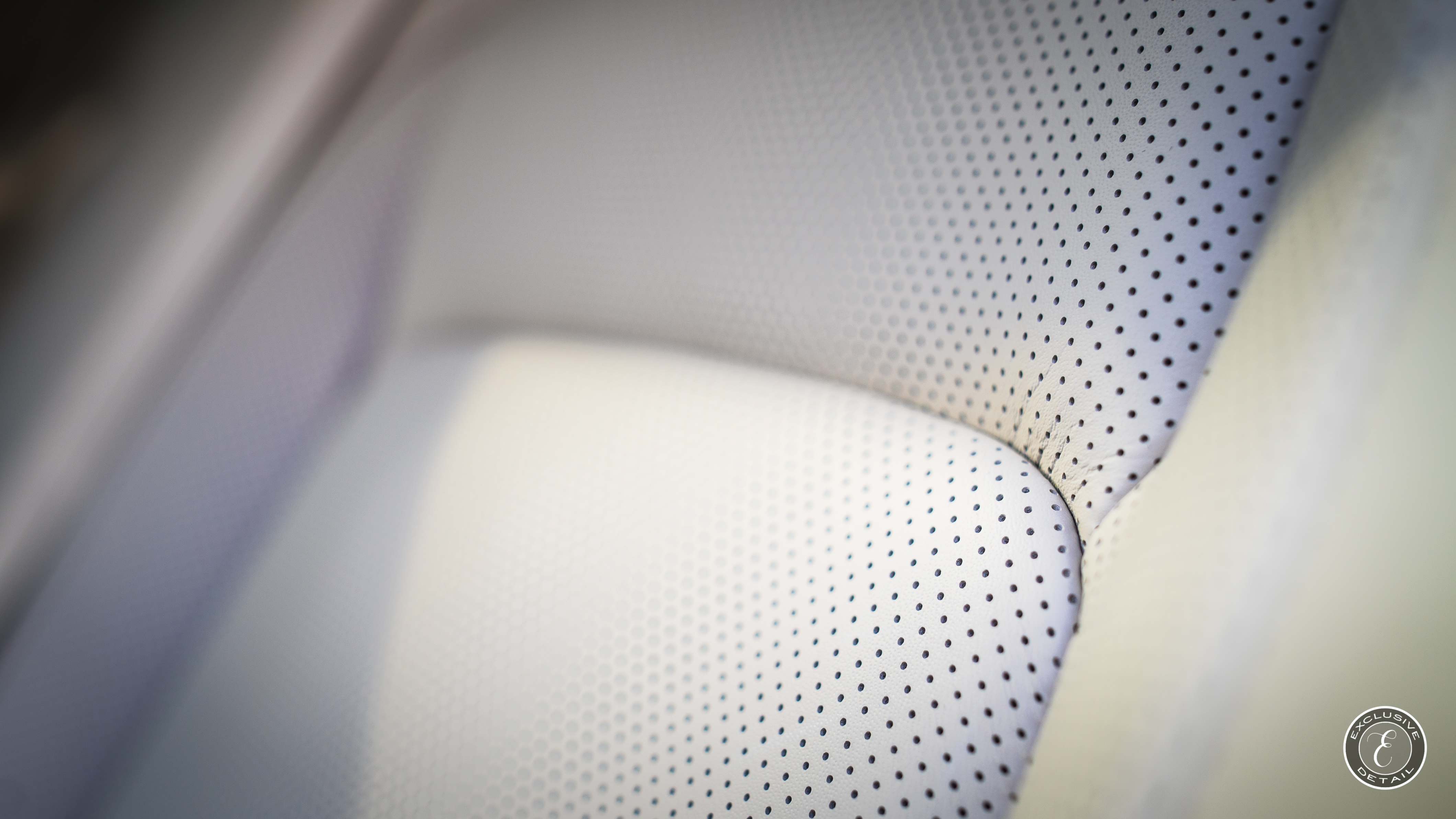
Leather seats and trim: The coating creates a hydrophobic barrier that prevents spills from soaking into the leather. It also blocks UV radiation, which is the primary cause of leather fading, cracking, and loss of flexibility over time. On luxury vehicles with perforated leather or contrast stitching, protection matters especially because repair or replacement is expensive.
Fabric and cloth seats: Ceramic coating formulated for fabric causes liquids to bead and roll off the surface rather than absorbing. Coffee, water, and other spills wipe away before they stain. The coating also reduces odor absorption and makes the fabric easier to clean without harsh chemicals.
Plastic dashboards and door panels: Interior plastics are highly vulnerable to UV discoloration and surface fading. A coated dashboard resists the dullness and brittleness that comes from years of sun exposure. It also creates a hydrophobic surface that repels dust, meaning less frequent cleaning.
Vinyl and synthetic trim: Vinyl surfaces, common on center consoles, door cards, and armrests, dry out and crack under prolonged UV exposure without protection. Ceramic coating keeps the material flexible and preserves its original appearance.
Infotainment screens and glass surfaces: Interior screens and rearview mirrors can receive a compatible coating that reduces fingerprints and makes cleaning effortless. Note that interior window glass should not receive interior ceramic coating as it can cause fogging.
What Are the Benefits of Interior Ceramic Coating?
Spill and stain resistance: The hydrophobic barrier causes liquids to bead on the surface rather than being absorbed. A coffee spill on a coated fabric seat wipes away. The same spill on an uncoated seat soaks in within seconds.
UV protection: The coating blocks UV radiation from degrading the materials underneath. Sunlight can cause irreversible damage to surfaces over time, leading to fading and discoloration, especially for leather and fabric surfaces which tend to show signs of wear due to prolonged UV exposure. Ceramic coating acts as a barrier that preserves original color and texture significantly longer than unprotected surfaces.
Abrasion resistance: Regular use creates wear on contact surfaces, particularly seats and door panels. The coating adds a hardened protective layer that slows down the micro-scratching and scuffing that accumulates from daily use.
Easier cleaning: Ceramic coating reduces cleaning effort and interior wear. It keeps surfaces cleaner for longer periods and reduces fading caused by sunlight exposure. Surfaces that repel contamination simply require less aggressive cleaning, which in turn extends the life of the material.
Resale value preservation: A well-maintained interior commands a higher price at trade-in or private sale. Buyers notice cracked leather, faded dashboards, and stained fabric. A protected interior that still looks close to new after years of use is a genuine differentiator.
What Does Interior Ceramic Coating Cost?
Interior ceramic coating guards leather, fabric, and dashboards against stains and wear, with professional interior ceramic coating typically starting at $150 to $300 as an add-on to exterior coating services. Standalone interior coating packages at professional shops generally run higher when the full preparation process is included.
At Exclusive Paint Protection, interior ceramic coating protection is included as part of our Elite Protection System, which starts at $2,200 and covers wheels, glass, and full exterior alongside the interior. For clients who want interior protection added to an exterior coating package, we build the right combination based on what surfaces need coverage and the vehicle’s current condition.
The preparation process matters as much as the product. A proper interior coating job begins with a thorough deep clean of every surface, removal of contaminants and residues that would prevent proper bonding, and section-by-section application. Shops that rush this process produce coatings that fail early or bond unevenly.

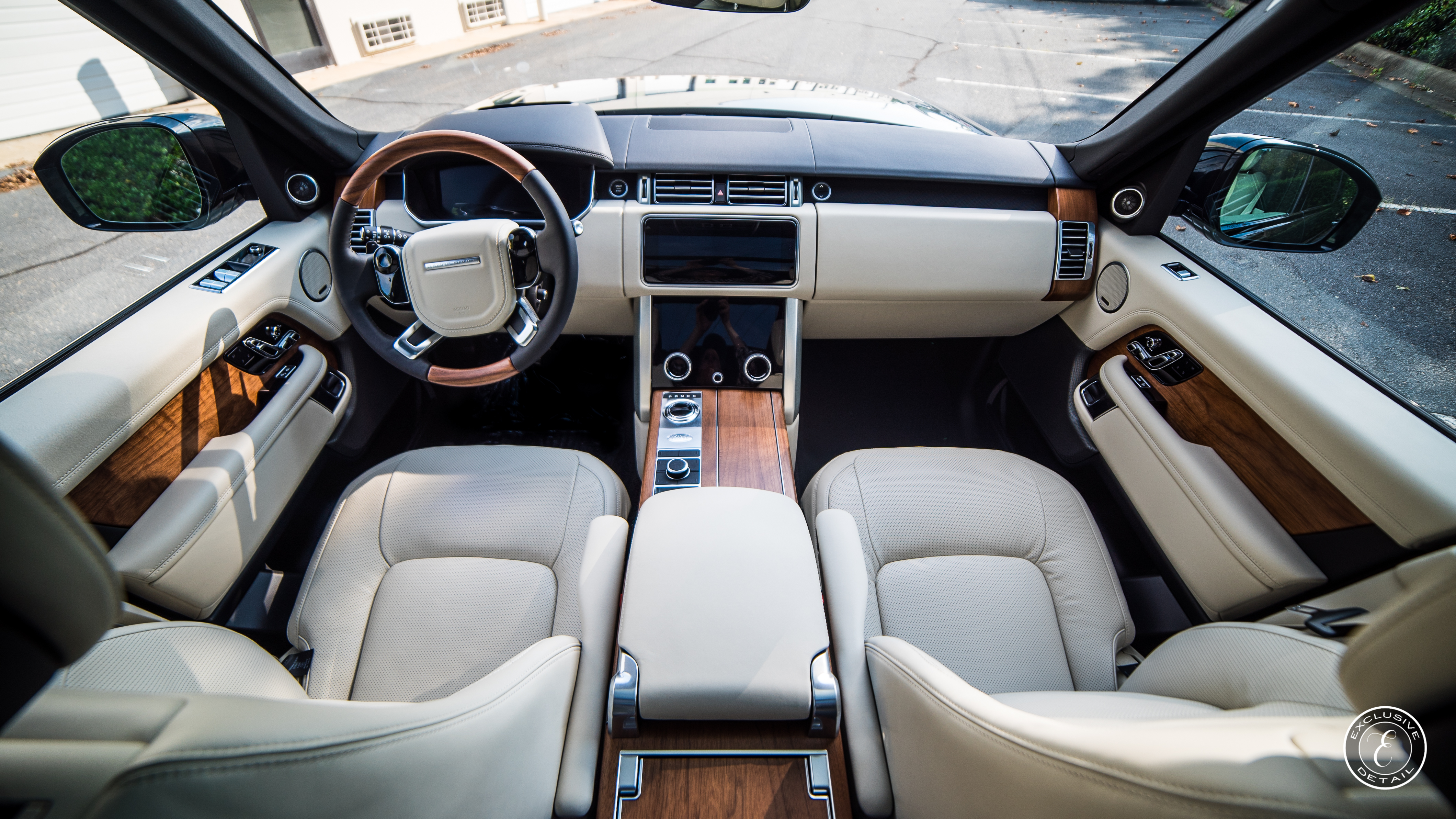
A Range Rover Interior, Protected
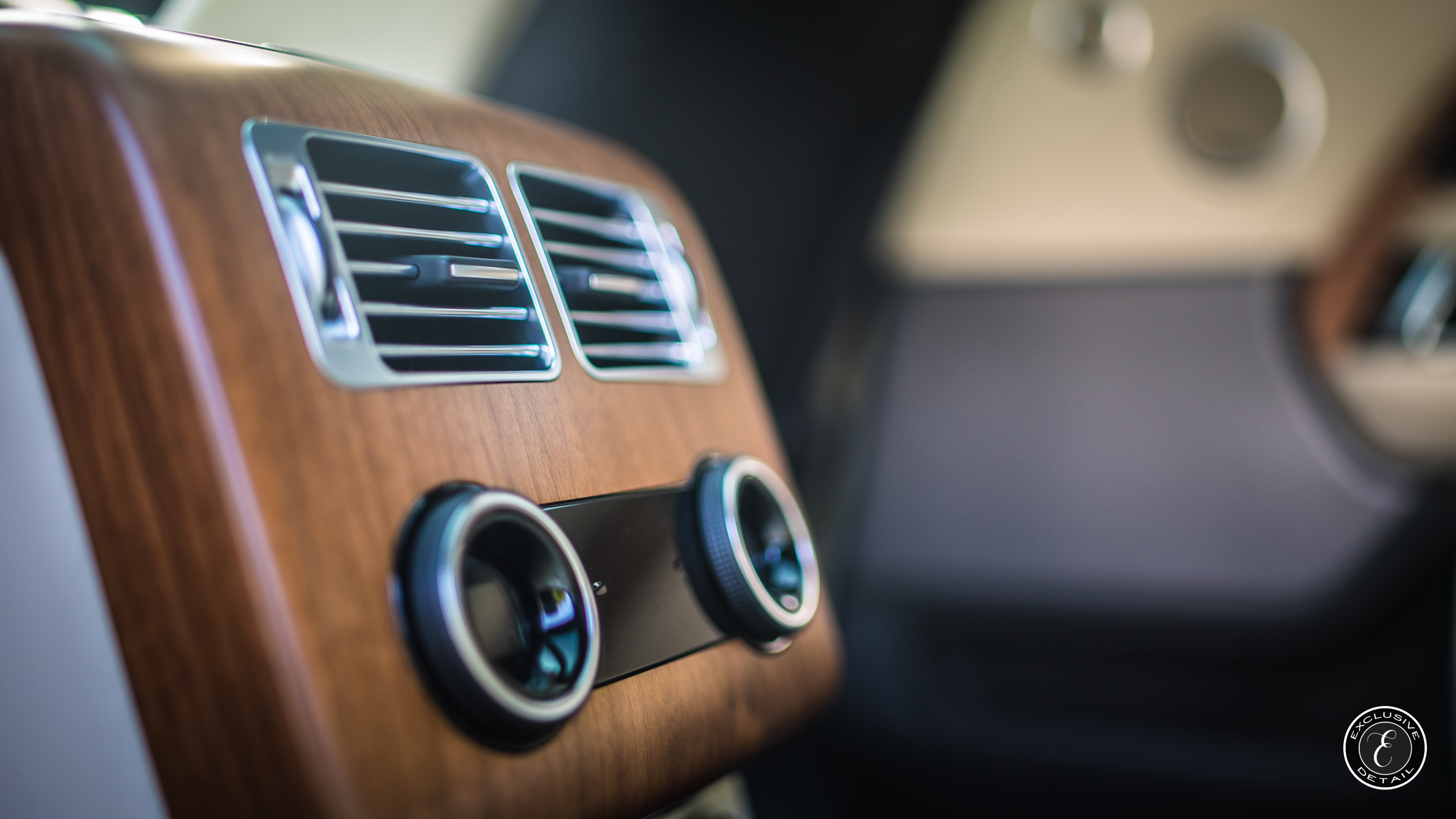
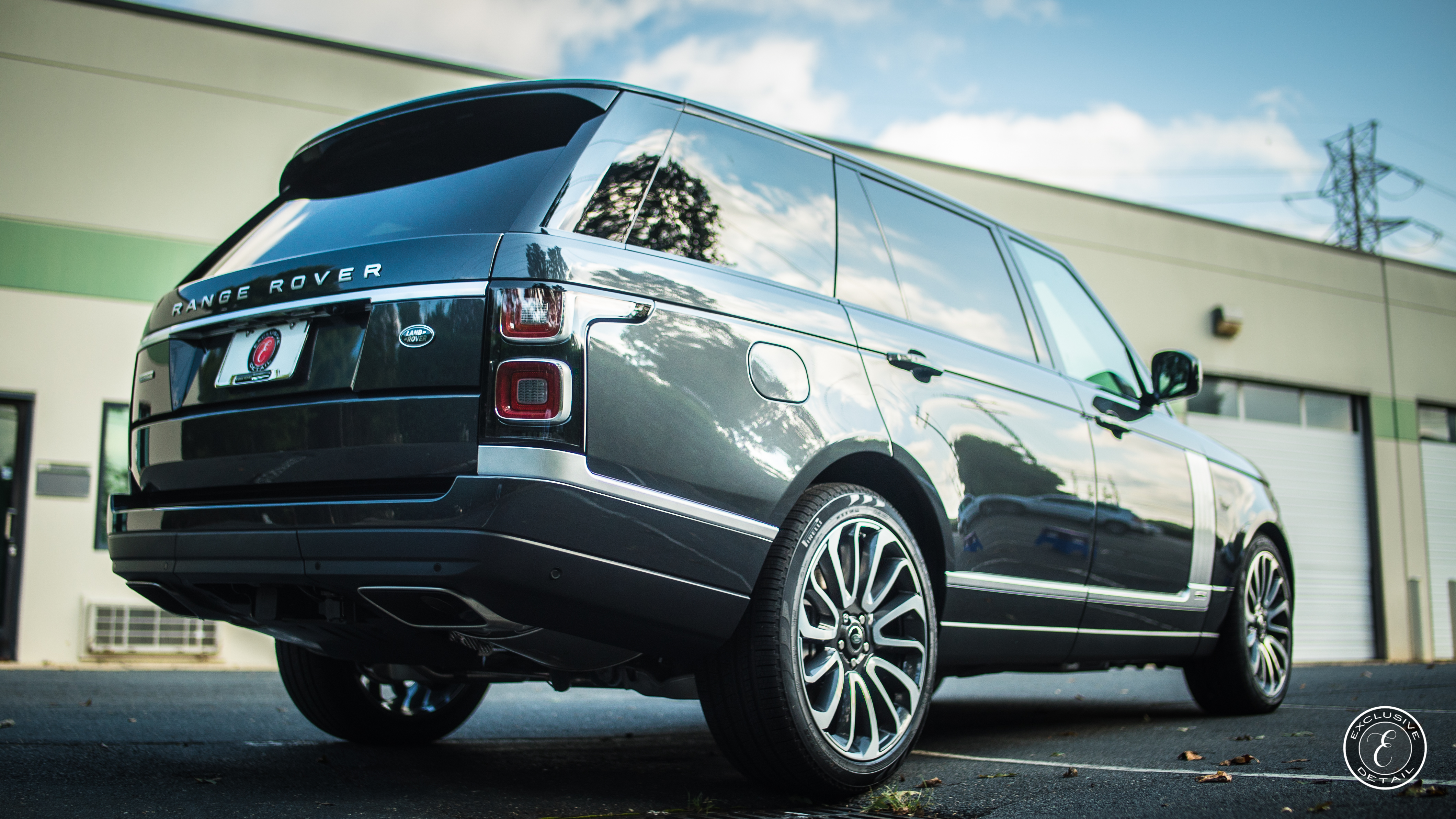
The owner of a Range Rover came to us wanting their cabin protected to the same standard as the exterior. The Range Rover’s interior is refined at every level, down to the last stitch. Leaving it unprotected against UV, spills, and daily wear wasn’t an option.
We applied XPEL Fusion Plus Ceramic Coating across the leather seats, dashboard, door panels, and plastic trim surfaces. The result was a cabin that maintained the factory look and feel while gaining meaningful protection against everything that accumulates inside a vehicle that gets driven and used regularly.
That’s the point of interior ceramic coating. It doesn’t change what the interior is. It protects it from becoming something less.
FAQ: Car Interior Ceramic Coating
What are the benefits of car interior coating? The four primary benefits are spill and stain resistance from the hydrophobic barrier, UV protection that prevents fading and cracking, abrasion resistance that slows surface wear, and easier cleaning because contamination can’t bond to the coated surface. For luxury vehicles with leather, suede, or high-end fabric, these benefits directly protect the material value of the interior.
What are the 4 types of coatings used on car interiors? The four main surface categories for interior coating are leather and synthetic leather, fabric and textile, hard plastics and vinyl, and glass surfaces. Each requires a formulation compatible with that specific material. A quality professional coating product like XPEL Fusion Plus is engineered to work across multiple interior surface types without requiring separate products for each.
Is ceramic coating your car interior really worth it? For vehicles that are driven regularly and owned for multiple years, yes. Interior ceramic coating is worth the cost because it reduces cleaning effort and interior wear and over time helps maintain comfort and vehicle value. The cost of a professional interior coating is significantly less than the cost of leather repair, fabric replacement, or dashboard restoration on a luxury vehicle. For owners who take care of their vehicles and care about resale or trade-in value, interior protection pays for itself.
What is the $3,000 rule for cars? The $3,000 rule is a general guideline used in vehicle valuation suggesting that every cosmetic or maintenance deficiency in a car’s interior or exterior reduces its market value by a disproportionate amount. A single interior issue, cracked leather, faded plastic, or stained seats, can cost more than $3,000 to professionally restore. Interior ceramic coating prevents those deficiencies from developing in the first place, protecting both the material and the vehicle’s resale position.
How long does interior ceramic coating last? Interior ceramic coating usually lasts one to three years depending on usage and maintenance. Proper care and professional application can help extend its lifespan. Regular cleaning with pH-neutral products and avoiding harsh chemicals extends performance. Professional application with proper surface preparation produces significantly better longevity than DIY alternatives.
Interior Ceramic Coating in Charlotte and Lake Norman
Exclusive Paint Protection installs XPEL Fusion Plus Ceramic Coating on vehicle interiors across Charlotte, Huntersville, and the Lake Norman area. We apply interior coating as part of comprehensive protection packages alongside exterior PPF and ceramic coating, giving clients complete coverage in a single appointment.
If you’re ready to protect your vehicle’s interior, call us at 704-525-5225 or schedule an appointment today. And if you’re also considering exterior protection, take a look at our Paint Protection Film and exterior ceramic coating services.